
-
Bist100 14.155,46 TL
-
Dolar 42,69 TL
-
Euro 50,15 TL
-
G.Altın 5.897,70 TL
-
Ç.Altın 9.533,17 TL

You might be surprised. In fact, my affection and deep connection with Pakistan began even before my bond with Azerbaijan. Some of my close friends, with genuine curiosity, ask:
“You have so many Azerbaijani friends, you visit often, you write about it all the time—we get your connection with Azerbaijan. But what’s your link to Pakistan?”
Others, perhaps unaware of history or too polite to ask, might say:
“Pakistan and India are always fighting. What’s the issue? Let them deal with it.”
To all of you, I kindly ask: sit back, relax, and read these humble lines with attention.
1, 2, 3... Here we go:
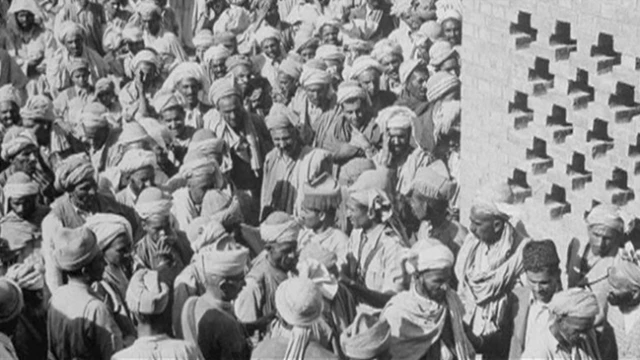
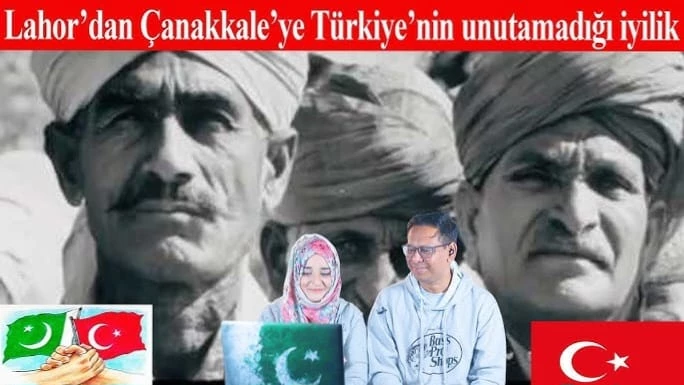
During the fierce and fateful Battle of Gallipoli, while we fought against seven major powers, something powerful was happening in Lahore, now part of Pakistan but then under British occupation. At the Badshahi Mosque, tens of thousands gathered in support of their Ottoman brothers.
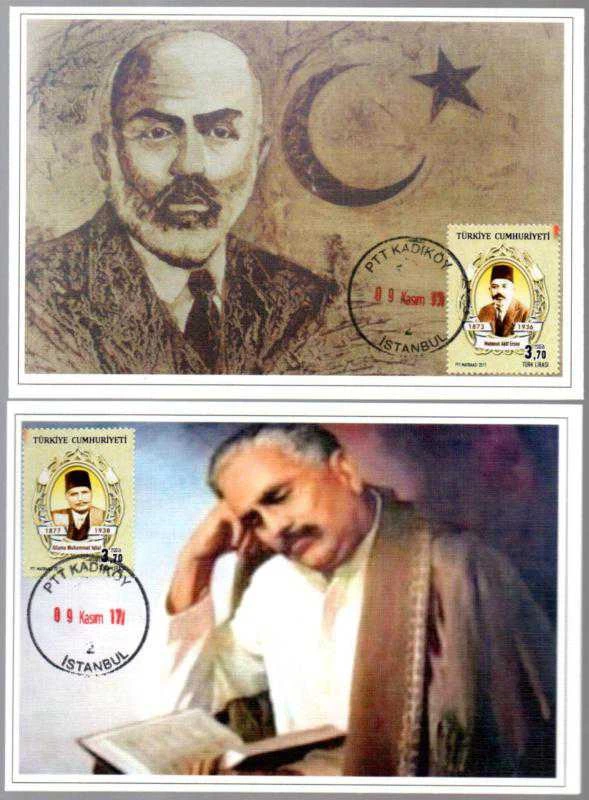
On the pulpit stood Muhammad Iqbal, the great poet of Pakistan, often referred to as their "Mehmet Akif Ersoy." Years later, both nations even issued commemorative stamps featuring them together. On that day, he recited a poem he had written after dreaming of Prophet Muhammad:
“You’ve approached me like a scent from the garden of the world.
Tell me, what gift have you brought?”
“I bring just one thing,
sanctified with care—
A bottle of unmatched blood:
The honor, the conscience...
It is the blood of a martyr from Çanakkale!”
The moment the poem ended, Iqbal collapsed in tears. Those thousands in the mosque prayed for the Ottoman soldiers, raised donations, and many even volunteered to fight in Gallipoli.
The people of Pakistan, already poor, removed rings from their fingers, bracelets from their wrists, and earrings from their ears—offering whatever they had for the Ottoman cause.
There was no internet, no TV, no radio. Even newspapers were rare—people learned through whispers and word of mouth. It was a time when Pakistan wasn’t yet independent, still under Indian rule.
During the Gallipoli War, the British tricked some Pakistanis into fighting against the Ottomans, claiming the Caliphate had declared war. When these men heard the call to prayer from across the trenches, they realized the truth and defected—choosing instead to fight with the Ottomans against the British.
Then came the Turkish War of Independence...
The Pakistani Ambassador once shared this story:
“We were told Turkey needed money, weapons, even soldiers. I had a pair of gold earrings. I tried to remove one, but after four or five years of wearing it, it wouldn’t come off. I pulled—my ear tore. The scar remains to this day.”
When I asked my grandmother why she did it, she replied:
“You’ll understand the value of Islam and brotherhood when you grow up.”
And during the Cyprus Peace Operation...
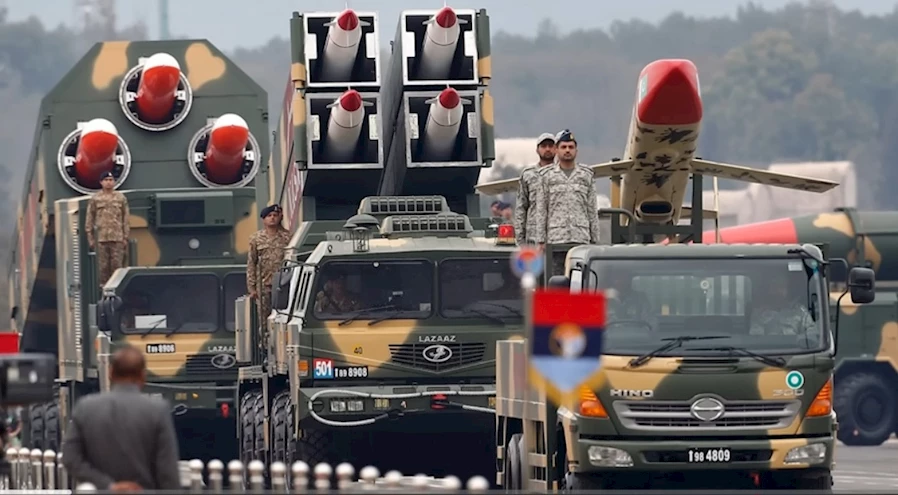
Pakistan sent medical teams to support Turkey. Retired General Ahmad Karamat, who was part of that team, recalls how warmly they were welcomed. He emphasizes the enduring love between the two nations, saying, “There are no limits to the affection between the Turkish and Pakistani people.”
I have a strong memory, and I remember this well:
In the 1990s, both Turkey and Pakistan tried to secretly develop nuclear technology. Somehow, the U.S. found out and gave a stern warning to both: “Stop immediately!”
Fast forward to the 44-day Karabakh War...
In Azerbaijan, you’ll see Turkish and Azerbaijani flags hung together—and often Pakistan’s flag too. This is no coincidence. One day, history will document in detail why those flags fly together.
Remember the nuclear tension I mentioned? Pakistan is now officially one of nine nuclear-armed nations. If Turkey ever finds itself in trouble, Pakistan is the first to say:
“Our nuclear arsenal is at Turkey’s disposal.”
In the recent conflict with India, while India flexed its muscles with the backing of the U.S. and Israel, it had to sue for peace within two days.
Just before the conflict, I heard six Turkish cargo planes landed in Pakistan. At first, I thought it might be a secret operation, since there was no official Turkish announcement. But Pakistani and Azerbaijani media reported it openly. So, I reported it too.
I also heard that our KORAL electronic warfare systems were sent to Pakistan. Not long after, French Rafale jets acquired by India started dropping out of the sky once they entered Pakistani airspace. India claimed it was due to technical malfunctions—but we all knew the real reason.
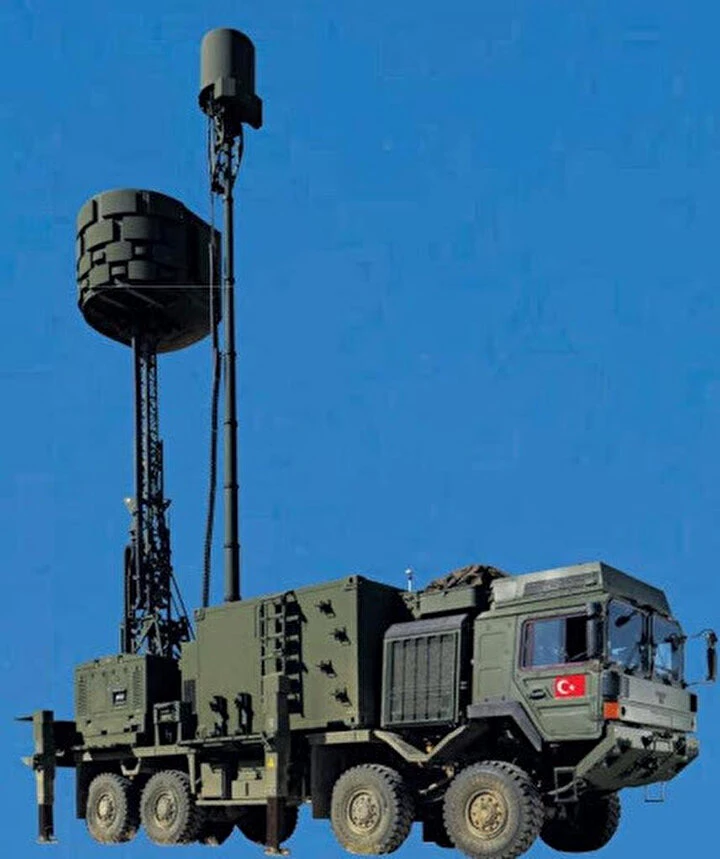
Foreign media later revealed that when the jets flew, all internet and phone connections on India’s side of the border mysteriously went dead for hours.
As always, India started the fight, then asked for peace two days later.
Oh, and by the way—many of the generals leading the Pakistani forces were trained in Turkey’s military academies. Some even trace their lineage back to the Babur Turks. But let’s leave that aside for now.
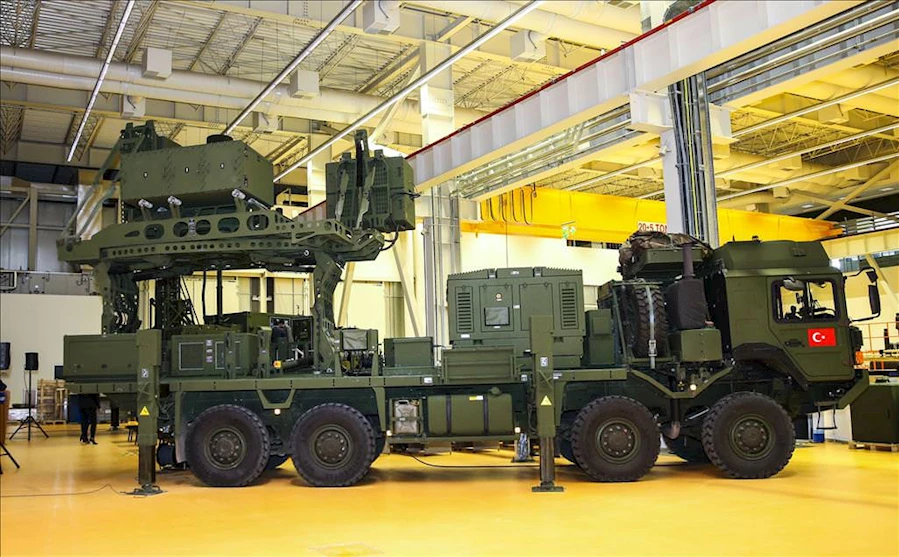
With so many visible and invisible ties—between such brotherly nations—how could one not love a country like Pakistan?
It’s five in the morning.
This little writer, heart full of gratitude, eyes misty with emotion, sends this message across the distance at the speed of words:
To my Pakistani brothers, commanders, and friends...
To the descendants of Babur...
To all my Pakistani siblings—I say:
Long Live Brother Pakistan!
To my dear readers, thank you for your time. Wishing you health and peace.
With respect...
Hasan BARIN
Historian Journalist
#İsrail #Filistin #Avrupa #AvrupaParlemamtosu #Marc Botenga #Barinajans #DEAŞ #Gassal #Ekonomi Şürası #SinemÜnsal #StopIsrael #UzakŞehirBoykot #TekYolKademe #Öğretmen #BülentTekbıyıkoğlu #Tuvalette #İzmir #EyLemseEYLEMGrevseGREV #Atatürk #Saat21:00 #Naci Görür #bist100 #IsraelTerroristState #FreePalestine
 Evet 263 Kişi Hayır 8 Kişi